



A new generation of leaders is emerging – honed by years of experience in leadership roles during a phase of ongoing and mutually reinforcing crises and disruptions, they are rewriting their leadership algorithms, rethinking and reshaping the tools, routines and familiar logics that have served them well over the years. The study `CEOs in the perma-crisis´ reveals the new leadership paradigm that is emerging – and provides insights into critical success factors in this process of unlearning, reshaping and creating leadership principles.
A new generation of leaders is emerging – honed by years of experience in leadership roles during a phase of ongoing and mutually reinforcing crises and disruptions, they are rewriting their leadership algorithms, rethinking and reshaping the tools, routines and familiar logics that have served them well over the years. The study `CEOs in the perma-crisis´ reveals the new leadership paradigm that is emerging – and provides insights into critical success factors in this process of unlearning, reshaping and creating leadership principles.
For this study, experts from the strategy consultancy KEARNEY and the leadership advisory Egon Zehnder conducted in-depth interviews with top managers during the fourth quarter of 2024 and the first quarter of 2025, a period characterized by the looming change of government in the USA and the incipient escalation of trade conflicts. They talked to them about new strategic leadership challenges and their perspectives on the changing economic and geopolitical environment.
Based on these deep insights, they revealed the outlines of a new, generative leadership in a fast-changing, highly volatile geopolitical environment: CEO deep learning.
The key idea: a CEO's learned experience and knowledge form the basis for their performance – just as the training data of an algorithm shapes its ability to perform. The performance of an algorithm in computing terms is measured by how well it can deal with a completely new and unknown data situation. A successful “generative” algorithm can not only retrieve solution strategies for what is already known, it can generate completely new solutions to unknown and unprecedented problems.
A successful leader, in these challenging and extraordinary times, must operate in a similar way: as a “generative” agent.
In a highly complex environment created by the perma-crisis – characterized by wave after crashing wave of fundamental change, accompanied by a closely consecutive series of extreme and unprecedented, disruptive events – the learned experience of even the best leaders may be inadequate. Global political blocs are shifting, commodities are increasingly becoming a geopolitical bargaining chip, and the extremely fast-moving nature of the business and regulatory environments require almost superhuman decision-making powers.
The performance of a manager in the coming decade will be measured by their ability to practice generative leadership: creating something new instead of reproducing the old; constantly identifying new points of orientation amid complex, volatile framework conditions.
Five training areas for a new, generative leadership algorithm
Five training areas for a new, generative leadership algorithm
The experts from Egon Zehnder and Kearney identified five critical areas in which CEOs should develop and hone their own personal leadership algorithms, retraining their approach to leadership, strategy and culture.
1. Geopolitics
1. Geopolitics
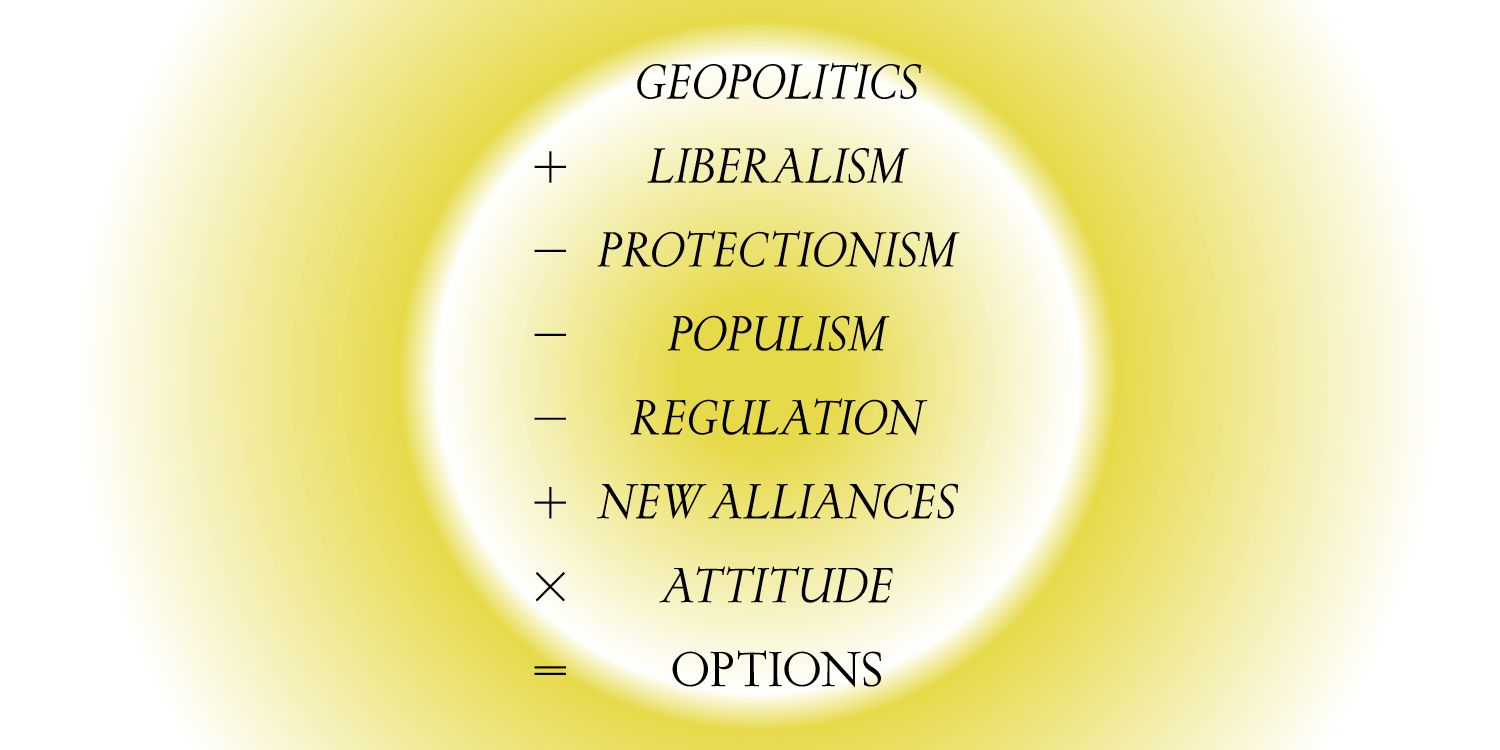
Global politics is in disarray – the familiar benchmarks are shifting. In a world in upheaval, people at the top of large companies must bring geopolitics into their strategies and future plans. They must also rethink their ‘core convictions’ and adapt them.
2. Acceleration
2. Acceleration
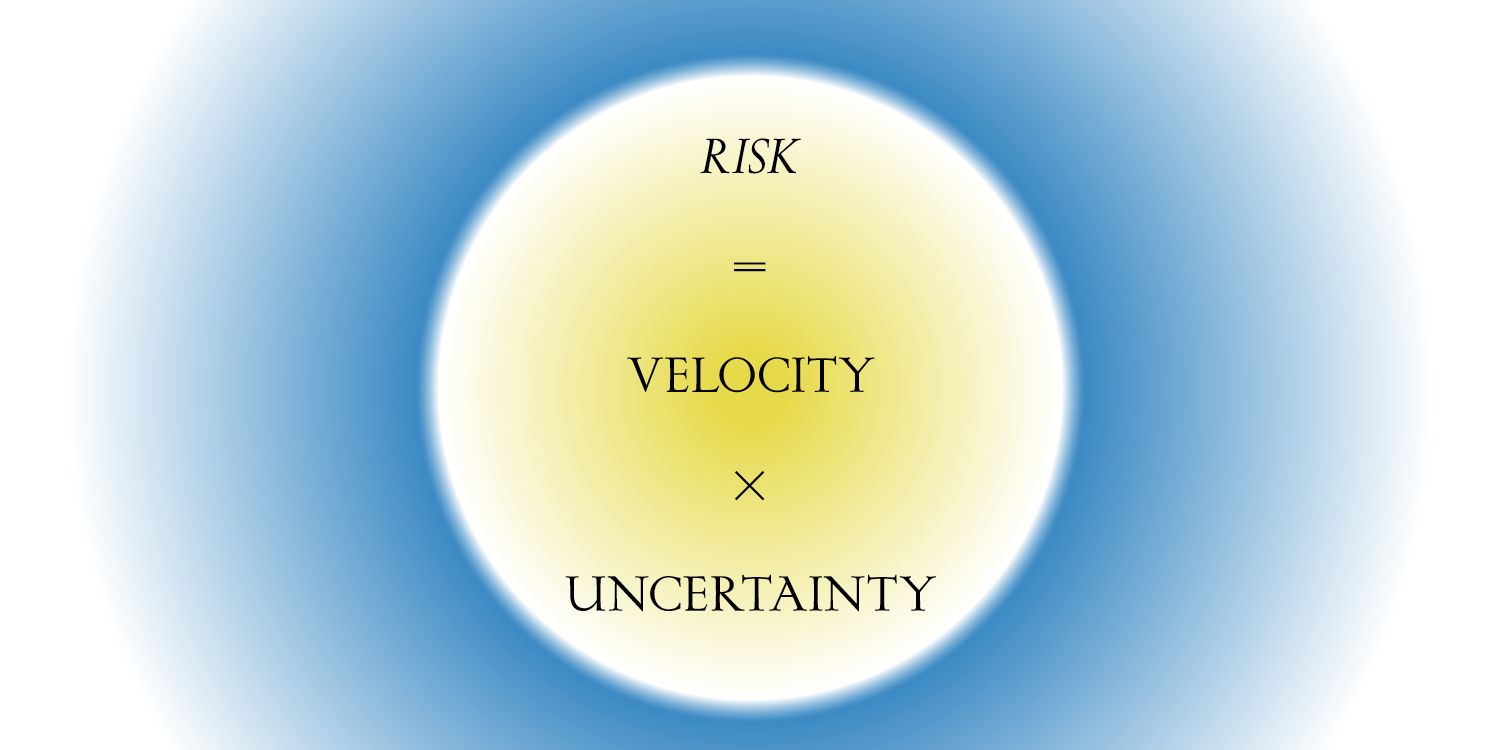
Companies are in a race for transformation. The unstable environment is sequencing new and urgent, interdependent and polymorphic risks. A CEO´s decision-making must be grounded in a robust, long-term vision for the success of their company that offers a compass in times of uncertainty.
3. Developing Talent
3. Developing Talent
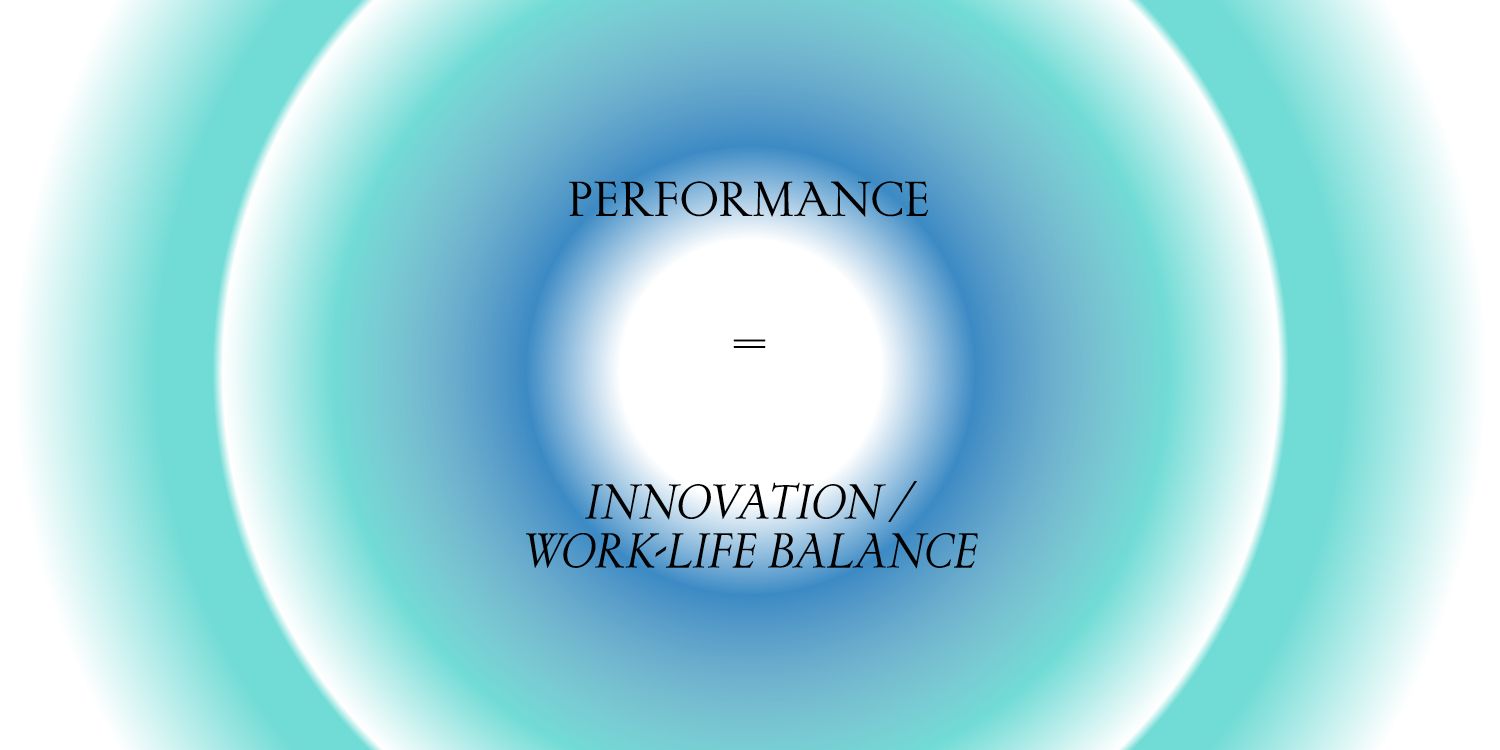
Now more than ever, companies need huge ambition, full commitment, resilience, a willingness to learn and an entrepreneurial mindset from their employees. CEOs are faced with the challenge of migrating their learned values of performance-driven orientation and desire for advancement into the current zeitgeist and adapting their leadership style accordingly. It’s time for a rethink: Who are the talents that will drive the company forward now?
4. Leadership
4. Leadership
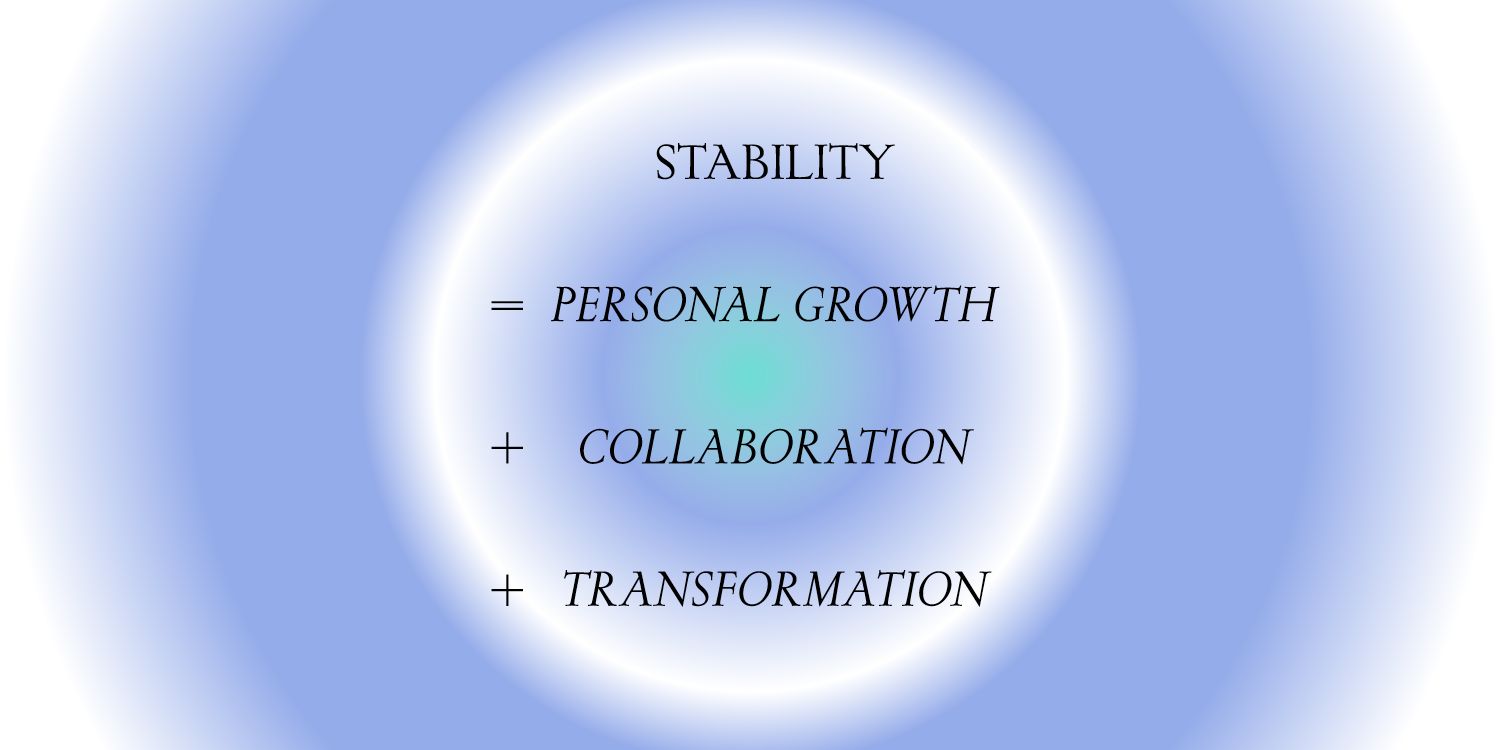
In the complexity of a perma-crisis, CEOs have to make tough, radical decisions. CEOs who gather “yes-people” around them, and therefore can’t get honest feedback, will fail. More than ever, top leadership is a team job. Leaders must work on their personal growth and adaptability.
5. Growth
5. Growth
Many CEOs will have learned the conviction that globalization and technological development bring with them infinite growth potential and increasing prosperity. The science suggests otherwise. Leaders must re-educate themselves to adapt to a regenerative economy, which is not only ecologically but also economically expedient in a world characterized by geopolitical realignments and trade wars.
Entering your personal CEO deep learning journey
Entering your personal CEO deep learning journey
Anyone in charge of a company today faces the enormous challenge – and the even greater opportunity – of rethinking and reorganizing strategy, culture and leadership. The invitation is to have an impact far beyond their own role and even their company.
Now is the time for CEOs to further develop their personal leadership algorithm with new logic, values and routines, and to turn that into a generative leadership tool that is up to the challenges of today and tomorrow.
So you might be asking yourself: What training and input does my personal leadership algorithm need right now?
So you might be asking yourself: What training and input does my personal leadership algorithm need right now?
To find out, you need to ask the right questions and find the right training grounds for your individual leadership algorithm. Our CEO report helps you to identify these strategic and personal questions.
*Perma-crisis is a term that has emerged since the Covid-19 pandemic to describe that vertiginous feeling of lurching from one unprecedented catastrophe to another – a continually unfolding state of crisis.
This report was developed through the joint work of the following project team: Michael Meier (Egon Zehnder), Benjamin Lüpschen (Egon Zehnder), Catharina Roltsch (Egon Zehnder), Mirko Warschun (Kearney), Nina Kluckow (Kearney), Tamarra Kudernak (Kearney), Katharina Bohlenz (Kearney) and Lisa Marie Tietz (Kearney)
