



The Energy and Utilities Industry at a Tipping Point
The Energy and Utilities Industry at a Tipping Point
The U.S. energy and utilities industry infrastructure has reached a defining moment. With the passage of the $1.2 trillion Infrastructure Investment and Jobs Act, electric utilities are positioned to accelerate investments in grid modernization, decarbonization, and technological innovation. Yet capital alone won’t catalyze the transition to a smarter, cleaner, and more resilient energy system.
To realize the full potential of this transformation, utilities must look inward toward leadership and culture. Success depends on reimagining how organizations develop, empower, and deploy talent. The future will not be led by traditional operators alone, but by agile, inclusive, and visionary leaders who can navigate evolving stakeholder demands, rising climate expectations, and rapid technological disruption.
Leadership’s Role in the Energy and Utilities Industry Transformation
Leadership’s Role in the Energy and Utilities Industry Transformation
Today’s utility leaders face a dramatically expanded mandate. Beyond operational efficiency, they are being asked to:
- Engage policymakers and regulators in decarbonization agendas
- Represent their organizations amid increasing public scrutiny
- Build cultures that support digital and customer-centric transformation
Leadership and culture are no longer background enablers; they are frontline drivers of industry-wide reinvention. The next generation of leaders must be fluent in digital tools, resilient under pressure, and equipped to guide their organizations through system-level change.
Why the Energy and Utilities Industry Demands Exceptional Future Leaders
Why the Energy and Utilities Industry Demands Exceptional Future Leaders
The energy and utilities industry is undergoing one of the most consequential transitions in recent history.
As companies move from centralized, carbon-intensive models toward cleaner, decentralized, and digitally enabled systems, the demands placed on leadership have shifted dramatically.
Where reliability and regulatory compliance once defined success, today’s leaders must operate at the intersection of climate responsibility, technological transformation, geopolitical volatility, and growing public scrutiny. They are expected to deliver value not only to shareholders, but also to customers, communities, and policymakers, often in real time and under intense pressure.
Yet while the complexity of leadership is rising, the supply of leaders ready to meet that challenge is shrinking. A convergence of macro pressures is intensifying the leadership gap:
- Aging infrastructure must be upgraded without compromising service continuity.
- Grid reliability is threatened by climate-driven events, cyber risks, and shifting load patterns.
- Electrification and renewables integration require entirely new operational and planning paradigms.
- AI and big data are redefining everything from demand forecasting to consumer engagement.
- Workforce demographics point to a looming retirement wave and an acute shortage of digitally fluent, transformation-ready talent.
- ESG expectations are increasing stakeholder pressure on boards and leadership to deliver meaningful, measurable impact.
Together, these dynamics demand a reimagined approach to leadership that prioritizes adaptability, systems thinking, and the ability to unite diverse teams around bold, forward-looking strategies. Simply put, the leaders who carried utilities through the past are not the same leaders who will take them into the future.
As a rule, we humans like to stick with the familiar. We talk about finding a ‘good fit’ between the organization and the individual. In many cases, that is code for hiring a person who represents the comfortable and the familiar. Certainly, familiarity can bring stability to any community. But it can also lead to myopia.
Claudio Fernández-Aráozretired Egon Zehnder Consultant and author of the book “Great People Decisions"
To avoid transformation bottlenecks and missed opportunities, now is the time to reexamine the leadership pipeline, assess future-fit potential, and invest in the development of leaders who can thrive in this new energy reality.
4 Qualities Energy and Utilities Industry Leaders Should Possess
4 Qualities Energy and Utilities Industry Leaders Should Possess
The future will belong to utility leaders who can marry deep operational understanding with the strategic, cultural, and adaptive capabilities required to drive transformation at scale.
These aren’t just "nice-to-have" traits; they are essential competencies for navigating the complexity, pace, and scrutiny that define today’s energy and utilities environment. The most successful leaders will demonstrate the following qualities:
1. Visionary Mindset
1. Visionary Mindset
Anticipating industry inflection points and acting before they're obvious is a defining trait of effective energy leaders. These leaders see beyond quarterly results to architect long-term strategies aligned with decarbonization, resilience, and stakeholder value. They balance pragmatism with aspiration, connecting macro energy trends to tangible, enterprise-wide initiatives. In an industry slow to pivot historically, visionaries inspire urgency, foster innovation, and prepare their organizations for what's next, not just what’s now.
2. Cultural Stewardship
2. Cultural Stewardship
Transformation doesn’t happen without people, and the best leaders know how to build cultures that move with the change, not against it. Cultural stewards foster inclusive, purpose-driven environments that support collaboration, innovation, and psychological safety. They lead with empathy, authenticity, and the awareness that generational, racial, and cognitive diversity is a strength, not a challenge. In high-regulation, low-turnover industries like utilities, culture can be the hidden accelerator or the hidden blocker of transformation.
3. Technological Literacy
3. Technological Literacy
Digital and data innovation are reshaping grid operations, consumer interaction, and business models. Leaders must not only understand the potential, they must operationalize it. Today’s utility executives need to be fluent in emerging technologies like AI, smart grid systems, distributed energy resources (DERs), and advanced analytics. While not every leader must be a technologist, they must know how to leverage digital tools to enable smarter, faster, more resilient decisions. The ability to evaluate new technologies, partner with CIOs/CDOs, and communicate the value of innovation across the organization is now a leadership mandate.
4. Leading Across Strategy and Stakeholder Engagement
4. Leading Across Strategy and Stakeholder Engagement
Leaders must know how to apply these traits across complex, multi-stakeholder environments. That includes:
- Aligning long-term transformation goals with short-term execution priorities.
- Keeping boards, regulators, communities, and investors informed and engaged, even as strategies evolve.
- Bridging traditional expertise with new energy thinking, empowering legacy workforces to embrace next-generation tools and mindsets.
The leaders who rise to the top in this new energy era will be those who can guide organizations through the uncertainty, while building cultures and capabilities that make transformation stick.
Building Leadership Pipelines in the Energy and Utilities Industry
Building Leadership Pipelines in the Energy and Utilities Industry
As the energy and utilities industry confronts accelerating transformation, leadership development must evolve from reactive succession planning to a strategic, forward-looking investment. The leadership pipeline of the future needs to be intentionally built, designed to align with the sector’s decarbonization goals, digital infrastructure plans, and shifting regulatory and consumer landscapes.
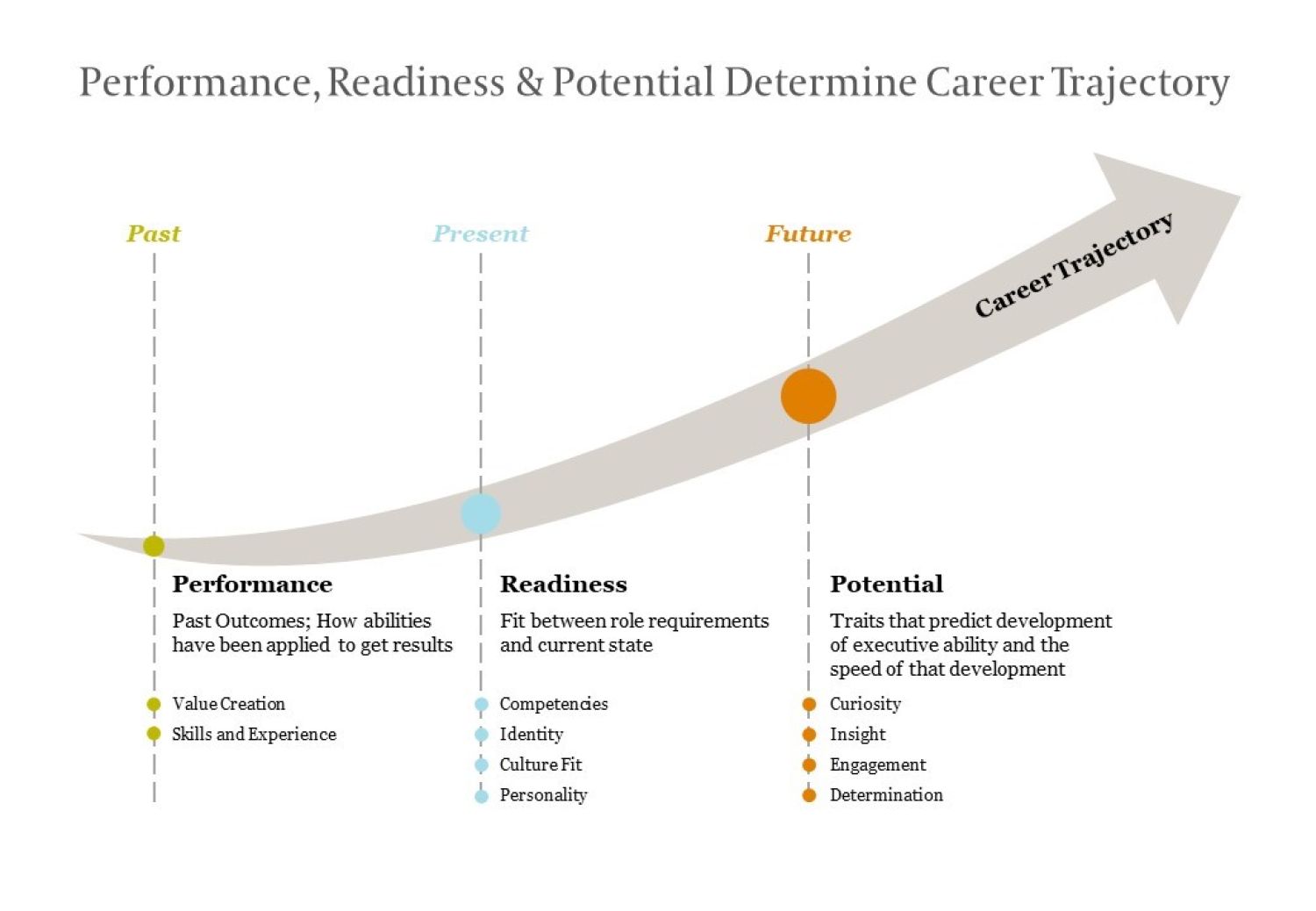
Internal talent must be cultivated through targeted coaching, exposure to complex challenges, and leadership development programs that reflect the realities of today’s utility environment. Rather than focusing solely on past experience, organizations must prioritize a deeper understanding of potential, identifying individuals who have the capacity to lead in roles of greater scale and complexity.
A potential-based approach centers on four core leadership traits. Curiosity reflects a proactive search for new knowledge and a comfort with change. Insight refers to the ability to distill complexity into actionable clarity and to challenge legacy thinking. Engagement is the ability to connect with and motivate diverse teams through purpose and authenticity. Determination signals a willingness to take on stretch challenges and persist through ambiguity with resilience and focus.
Organizations that apply this framework can more confidently develop leaders who are not only ready for today’s challenges but capable of shaping the energy future. In a sector where transformation is both necessary and inevitable, investing in future-ready leadership is mission-critical.
Leadership Strategies for the Energy and Utilities Industry
Leadership Strategies for the Energy and Utilities Industry
Utilities that succeed in the coming decade will embed leadership at the core of their transformation agenda.
Practical steps include:
- Conducting leadership capability audits focused on future-readiness
- Designing development programs that build adaptability and collaboration
- Promoting technological fluency across leadership levels
- Integrating cultural health metrics into leadership KPIs
Egon Zehnder Understands Energy and Utilities Industry Needs
Egon Zehnder Understands Energy and Utilities Industry Needs
We work with utilities around the world to identify and grow leaders who can meet the challenges of the energy transition. We understand the stakes and the opportunity. The future of the energy and utilities industry hinges not just on infrastructure or innovation, but on leadership.
Choose Egon Zehnder for your next energy sector leadership search or succession planning initiative.
